Embarking on a lumber project can be both exciting and daunting. Whether you’re a seasoned woodworker or a home improvement enthusiast, accurately measuring your materials is crucial to success. This is where a square footage calculator can be your best ally. In this guide, we’ll walk you through the essentials of using a square footage calculator specifically for lumber projects.

Understanding Square Footage in Lumber Projects
Before diving into calculations, it’s essential to grasp what square footage means in the context of lumber. It refers to the amount of flat surface area that a piece of wood will cover, which is key in planning your project precisely.
Think of square footage as the total area that a piece of wood will occupy. This is often critical in projects such as flooring or paneling, where you need a specific coverage area to achieve a flawless finish. The crucial aspect here involves accurately measuring your wood to fit that area. If you’re delving into the world of lumber without understanding this fundamental concept, you risk running into issues with both overestimation and underestimation of the materials needed. A square foot is essentially a two-dimensional unit of area measurement and is the cornerstone for planning just about any project involving lumber. Knowing how much wood covers a designated space enables you to calculate the total quantity needed to undertake tasks from building a deck to installing hardwood flooring.
For instance, using a Square Foot Calculator For Flooring can help in better understanding and managing resources. This tool not only estimates the coverage accurately but also factors in potential waste, allowing you to make more environmentally conscious choices.
The Importance of Accurate Measurements
Accurate measurements can make or break your project. Knowing the exact square footage you require prevents overbuying or underestimating the materials needed, ensuring cost-efficiency and reducing waste.
Attention to detail goes a long way in wood-related projects, especially considering that the wrong measurements could lead to significant losses. By ensuring precision in measurement, you’re confident that the wood you’re using aligns perfectly with your plan. When tackling lumber projects, any minor calculation error can lead to complications or additional expenses down the line. One way to prevent this is through using accurate square foot calculators, guaranteeing that every inch of resources is efficiently utilized. Moreover, streamlined measurements contribute directly to the project’s overall quality, efficiency, and aesthetic appeal.
For deeper insights into the quality of materials, consulting guides such as Redwood Lumber 101 can provide additional context on choosing durable lumber and enhancing the lifespan of your projects with quality selections.
How to Use a Square Footage Calculator
Using a square footage calculator is straightforward. Input the length and width of the lumber, and the calculator will do the math for you. We’ll guide you through the step-by-step process to make the most out of this tool.
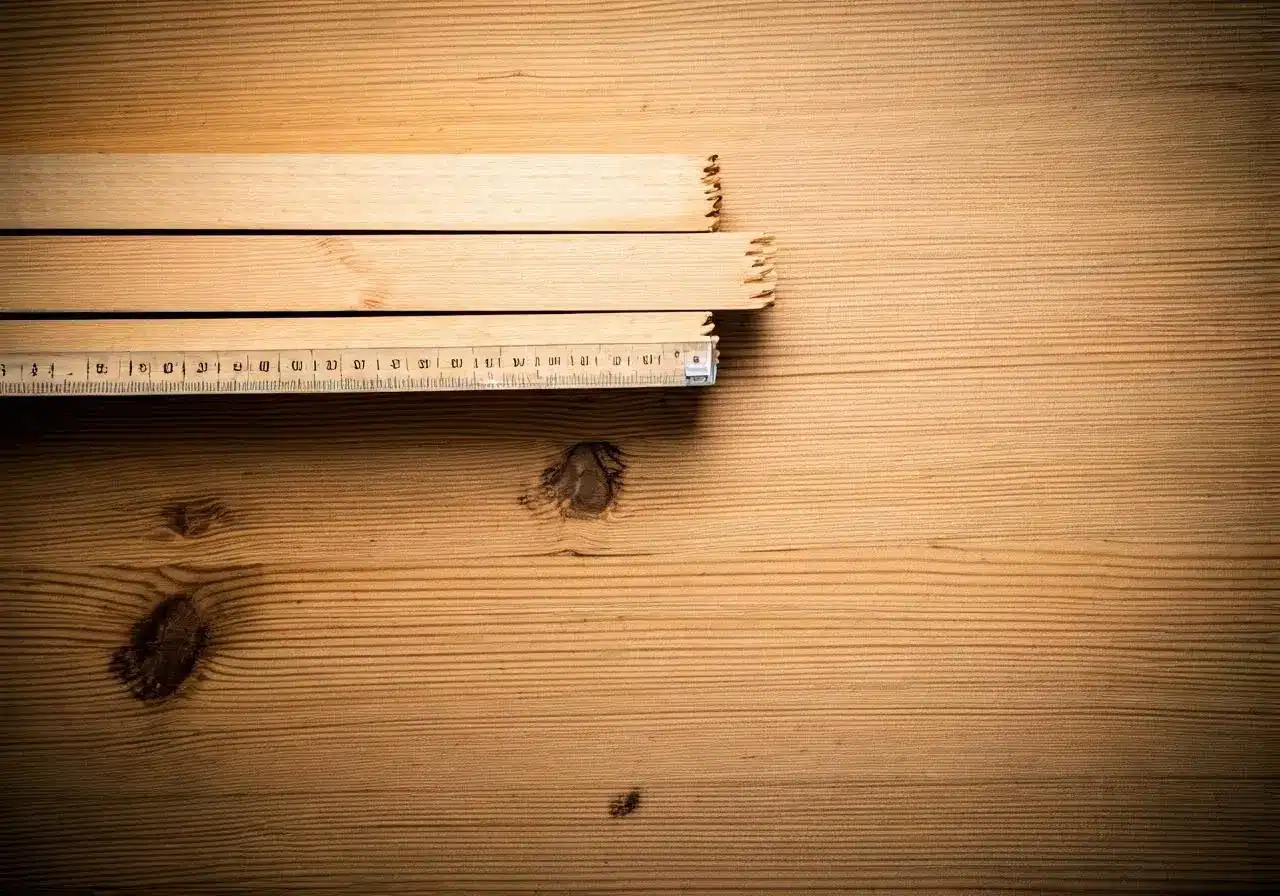
Let’s start with the basics: accurately capturing dimensions is the first step. Measure your wood’s length and width carefully using a tape measure for best results. Once you have the numbers, insert them into the square footage calculator. The tool computes the area using the formula: Length x Width = Square Footage. With a user-friendly interface, these calculators instantly project how much material you’ll need for your venture.
With calculators, you have the opportunity to account for waste typically associated with lumber projects. Tools like the square foot lumber calculator help not only in measuring coverage but also adjusting for standard material waste. This ensures that you are not only covering your primary surface but also have more to spare for any unexpected contingencies or changes to your plan.
Practical Tips for Effective Calculation
Even with a tool at hand, a few practical tips can enhance your calculation accuracy. These include double-checking measurements, accounting for cuts and waste, and choosing the right lumber dimensions for your needs.
Measurements should always be double-checked before finalizing your calculations. Mismeasurements can lead to errors that could drain both time and resources. To mitigate this, always verify dimensions at least twice to ensure accuracy. Additionally, account for any possible waste that arises from the cutting process as part of your planning. By adding an extra 10% to your square footage calculations, preparations are made for any unforeseen material losses or inaccuracies.
Understanding the differences in lumber dimensions can further streamline the effectiveness of your calculations. For those entering the market for the first time, resources such as Redwood Lumber 101 are invaluable in guiding your choice of wood, ensuring its fit for your specific project requirements.
Common Mistakes to Avoid
Avoiding common pitfalls can save time and resources. Learn what errors to watch out for, like not factoring in the thickness of the wood or misjudging the dimensions.
Misjudging dimensions is a frequent blunder that can result in wasted materials and increased costs. When determining square footage, many tend to overlook the importance of factoring in wood thickness, which plays a crucial role in overall volume and material stability. Ensure that when using calculators, you include this dimension, especially when purchasing materials like redwood decking known for their distinct and sturdy qualities.
Relying solely on square footage without accounting for volume-based calculations is another common mistake. Incorporating board foot—a measure considering thickness alongside width and length—is important for maintaining integrity in projects requiring structural support. Always validate dimensions through multiple checks and use versatile tools designed to handle complex tasks.
Tools and Resources to Enhance Your Project
Beyond the square footage calculator, other tools and resources can complement your project. We’ll explore digital apps, online resources, and community forums that provide support and inspiration.
A well-rounded toolbox paves the path for a successful lumber project. While the square footage calculator forms the core of the measurement process, technological advancements have introduced an array of tools adept at augmenting your lumber projects. Mobile apps now delve into complex geometric calculations, offering suggestions on minimizing waste while enhancing project design and layout strategies. Community forums online also offer discussion spaces for exchanging ideas and unraveling intricate queries that might arise throughout your project.
Incorporate sustainable practices by using materials sourced from local lumber yards, contributing to environmental sustainability by minimizing transportation emissions. Ensuring that you’re utilizing eco-friendly materials makes both economical and environmental sense, positioning you as a responsible builder contributing positively to community goals.
Finally, consider investing in high-quality instruments for finishing, honing the perfect cuts, and ensuring the lumber’s fit to facilitate seamless completion of your project. These small yet significant investments pay off, leading to higher productivity while elevating the satisfaction derived from impeccable builds. Engaging with these resources primes you for excellence in each crafting endeavor.
Master Your Lumber Projects with Accurate Calculations
By mastering the use of a square footage calculator, you’ll save time, reduce waste, and ensure a smooth progression of your lumber projects. Armed with accurate calculations, you can confidently tackle any woodworking task, knowing you’re efficiently using your materials. Happy building!