TL;DR: When the iconic San Francisco-Oakland Bay Bridge was replaced after earthquake damage, salvagers rescued massive old-growth redwood timbers from its foundation. This reclaimed lumber offers unmatched character, strength, and sustainability for modern projects, featuring weathered patinas and dense grain patterns that new wood simply can’t replicate.
- Salvaged from a 1936 landmark structure
- Dense old-growth redwood with superior strength
- Unique weathering and historical character
- Environmentally responsible building material
The San Francisco-Oakland Bay Bridge stood as an engineering marvel for decades before the 1989 Loma Prieta earthquake changed everything. When engineers assessed the damage, they knew portions of the original 1936 structure would need replacement. What could’ve been demolition waste became an opportunity for salvage companies to rescue some of America’s finest old-growth timber.
The massive redwood timbers supporting the bridge’s piers had spent over 50 years submerged in bay water or exposed to the elements. That exposure didn’t weaken them—it created something extraordinary. The wood developed rich patinas, oxidized nail holes, and weathered surfaces that tell the story of their service beneath one of California’s most traveled routes.
What Makes This Reclaimed Lumber Special
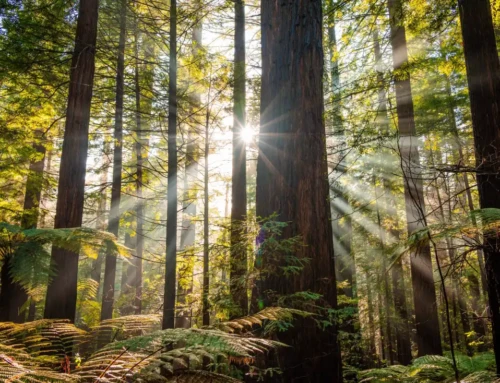
You can’t grow wood like this anymore. The redwood salvaged from the Bay Bridge came from old-growth forests that took centuries to mature, and those forests are largely gone now.
The tight grain patterns and density of these timbers far exceed what you’ll find in contemporary lumber yards. It’s the difference between wood that grew slowly in an ancient forest versus plantation-grown trees harvested in 20 or 30 years.
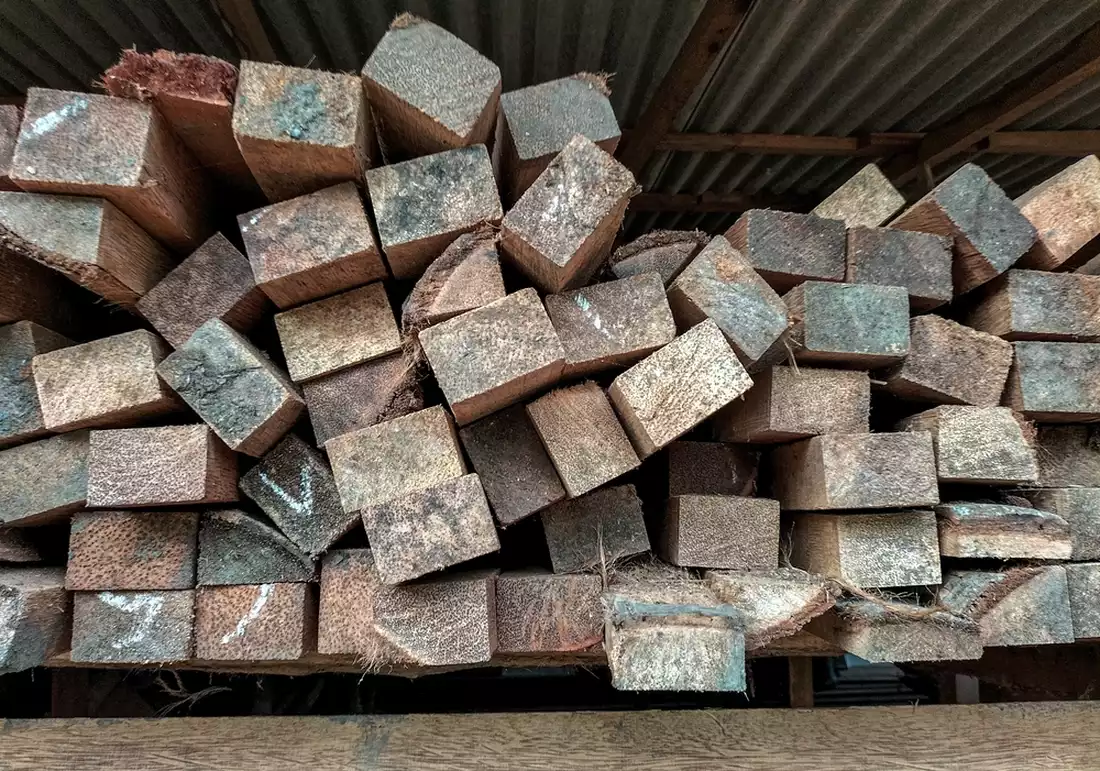
The dimensions alone set this material apart. We’re talking about beams measuring 12×12 inches or larger—timber sizes that are incredibly difficult and expensive to source new. When salvage crews carefully deconstructed sections of the bridge, they recovered pieces weighing thousands of pounds each. These structural giants had supported millions of vehicles crossing the bay.
Character That Can’t Be Faked
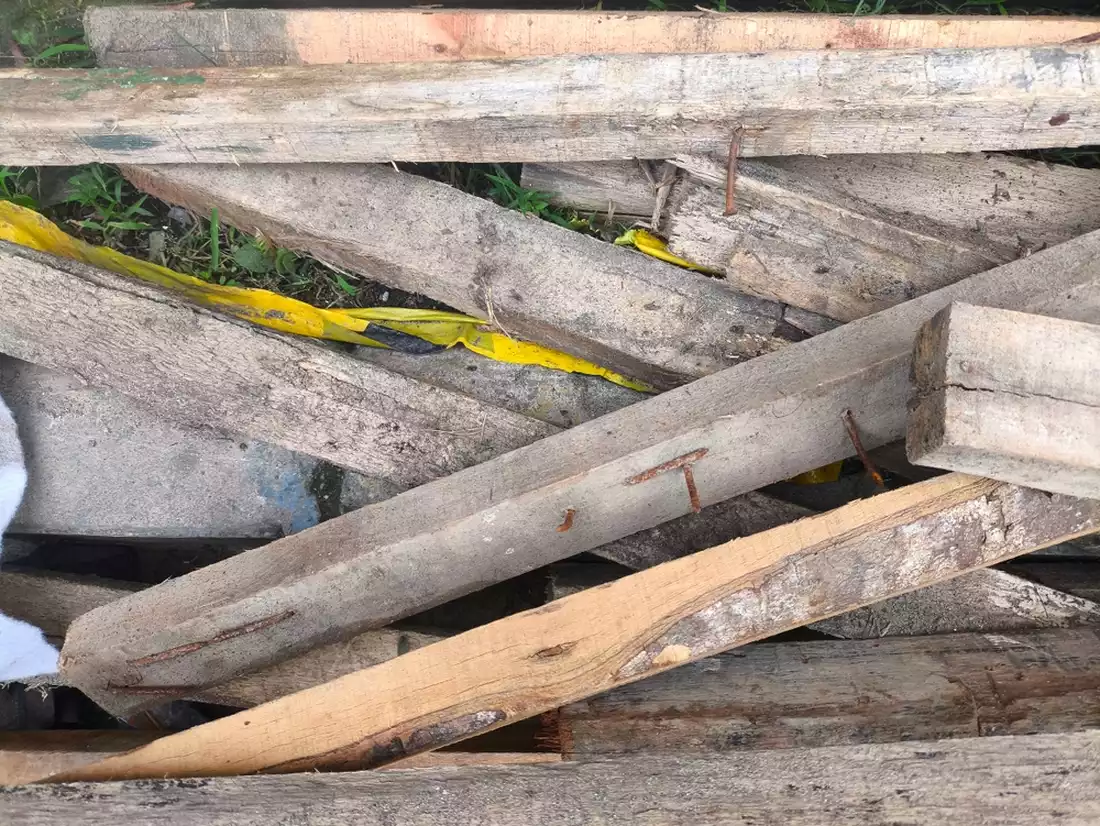
Walk into a space featuring Bay Bridge timber, and you’ll notice something immediately different. The wood carries visible history in every board. Saltwater left its mark through unique color variations. Decades of service created natural checking and texture that designers spend fortunes trying to replicate artificially. Oxidized hardware left rust stains and mineral deposits that add visual interest.
This weathering process happened over actual decades, not in a factory treatment facility. When you’re working with reclaimed wood beams from this source, you’re getting authentic character development. The deep browns, grays, and amber tones emerged naturally from the wood’s interaction with its environment. No staining process can duplicate what time and the elements accomplish.
What gives Bay Bridge timber its unique look:
- Saltwater exposure creating color variations
- Natural checking from decades of service
- Oxidized nail holes and rust stains
- Mineral deposits and weathered patinas
- Tight grain from old-growth origins
Putting History to Work
Designers and builders have found countless applications for this material. One of the most popular uses is creating stunning reclaimed wood walls that become instant focal points. The varying tones and textures of Bay Bridge timber make each installation unique. You’re not just getting a wall covering—you’re installing a conversation piece with genuine provenance.
Reclaimed wood paneling from the bridge works beautifully in both residential and commercial settings. Restaurants and breweries often use it to establish an authentic, heritage-rich atmosphere. The substantial thickness and quality of the wood mean it can be refinished and adapted to different design visions. Unlike thin veneers or modern paneling, this stuff has real substance.
For exterior applications, reclaimed wood siding from the Bay Bridge offers proven durability. This wood already survived decades of harsh conditions, so it’s more than ready to protect your building. The natural weathering gives it immediate curb appeal without that “too new” look that takes years to develop on fresh siding.
Furniture makers prize this material for tables, bars, and statement pieces. A conference table made from Bay Bridge timber isn’t just furniture—it’s a story your clients will remember. The wood’s proven stability means it won’t warp or twist like green lumber might, and its density ensures longevity that justifies the investment.
The Sustainability Angle
Choosing reclaimed lumber from the Bay Bridge makes environmental sense beyond just the recycling aspect. This wood is already seasoned and stable, meaning it won’t shrink or move like freshly cut timber. You’re not contributing to deforestation or supporting the harvesting of remaining old-growth stands.
The carbon footprint of salvaging existing wood is a fraction of what’s required to harvest, process, and transport new lumber. That old-growth redwood has been sequestering carbon for hundreds of years, and keeping it in use extends its environmental benefit.
When you consider the energy and resources needed to grow, harvest, and mill new timber, salvage starts looking pretty smart.
Environmental benefits of reclaimed wood projects:
- Reduces demand for new timber harvesting
- Lower carbon footprint than new lumber production
- Already seasoned and dimensionally stable
- Preserves existing carbon sequestration
- Diverts quality material from landfills
Working With Architectural Salvage
Not every piece of Bay Bridge timber works for every application. Salvage lumber comes with quirks—nail holes, checking, varied dimensions—that require flexibility and creativity. Experienced fabricators know how to work around these characteristics or incorporate them as design features. What some might see as imperfections, skilled craftspeople recognize as authenticity.
The best reclaimed wood projects embrace the material’s history rather than trying to hide it. If you’re planning to use this lumber, think about how to showcase its origins. Leave some weathering visible. Don’t over-sand the surface. Let the story show through in the finished piece.
Your Source for Authentic Bay Bridge Timber
The Bay Bridge salvage was finite, which means finding authentic material isn’t as simple as visiting your local lumber yard. At The Lumber Baron, we’ve built our reputation on sourcing and supplying verified reclaimed materials with documented provenance. When we tell you a piece came from the Bay Bridge, you can trust that claim because we’ve done the homework.
Our quality control process goes beyond what you’ll find at most suppliers. Every piece of reclaimed lumber that comes through our facility undergoes thorough inspection and metal detection. We properly prepare salvaged timber for modern applications while preserving the character that makes it special in the first place. This isn’t a side hustle operation—it’s what we do, and we’ve refined our process to deliver materials you can build with confidently.
Choosing The Lumber Baron
Bay Bridge reclaimed lumber represents a smart investment for clients who understand the difference between cost and value. Yes, you’ll pay premium pricing for this material—you’re getting irreplaceable old-growth timber with documented history and proven performance that spans decades. The material’s scarcity and unique characteristics mean you’re working with something that can’t be replicated or restocked.
At The Lumber Baron, we’ve watched clients incorporate this timber into projects that become signature spaces. The longevity and stability of old-growth redwood means your installation will outlast trendy alternatives.
This isn’t material that looks dated after a few years—it’s already proven its timeless appeal through actual decades of service. When you choose Bay Bridge timber from our inventory, you’re making a decision that will add value to your project for generations.
We work with everyone from custom home builders to commercial designers who need materials that make a statement. Our team can help you select the right pieces for your specific application and provide guidance on how to showcase the wood’s history effectively. That’s the kind of service you should expect when you’re investing in premium reclaimed materials.
Ready to incorporate genuine history into your next build? Call us today if you need real good wood for your next project.