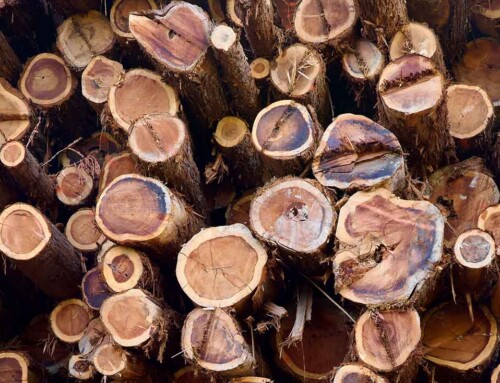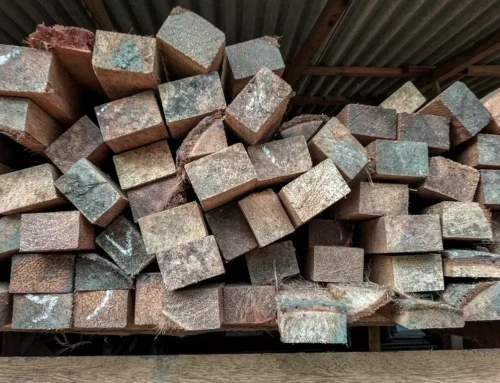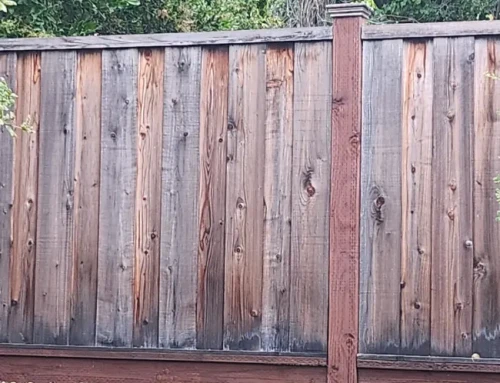
TL;DR: Not all redwood decking is created equal, and the difference often comes down to whether the boards are cut from heartwood or sapwood. Heartwood is the dense, naturally rot-resistant core of the tree, while sapwood is the younger, lighter wood closer to the bark. The ratio of heartwood to sapwood in your decking directly affects its durability, appearance, resistance to decay, and price. Understanding redwood heartwood vs sapwood is the key to choosing the right grade for your project and your budget.
- Heartwood is naturally resistant to rot, insects, and decay
- Sapwood is lighter in color, less durable, and more susceptible to moisture damage
- The grade of redwood decking is largely determined by heartwood content
- Higher heartwood content means better performance but a higher price point
- Choosing the right grade prevents premature replacement and long-term maintenance headaches
When you’re shopping for redwood decking, you’ll see terms like “Construction Heart,” “B Grade,” and “Merchantable” thrown around, and most of those grade distinctions trace back to one thing: how much heartwood versus sapwood is in the board. It’s not just a cosmetic difference. The wood’s performance over years of sun, rain, and foot traffic depends heavily on which part of the tree it came from. Here’s what you need to know before you buy.
What Is Heartwood?
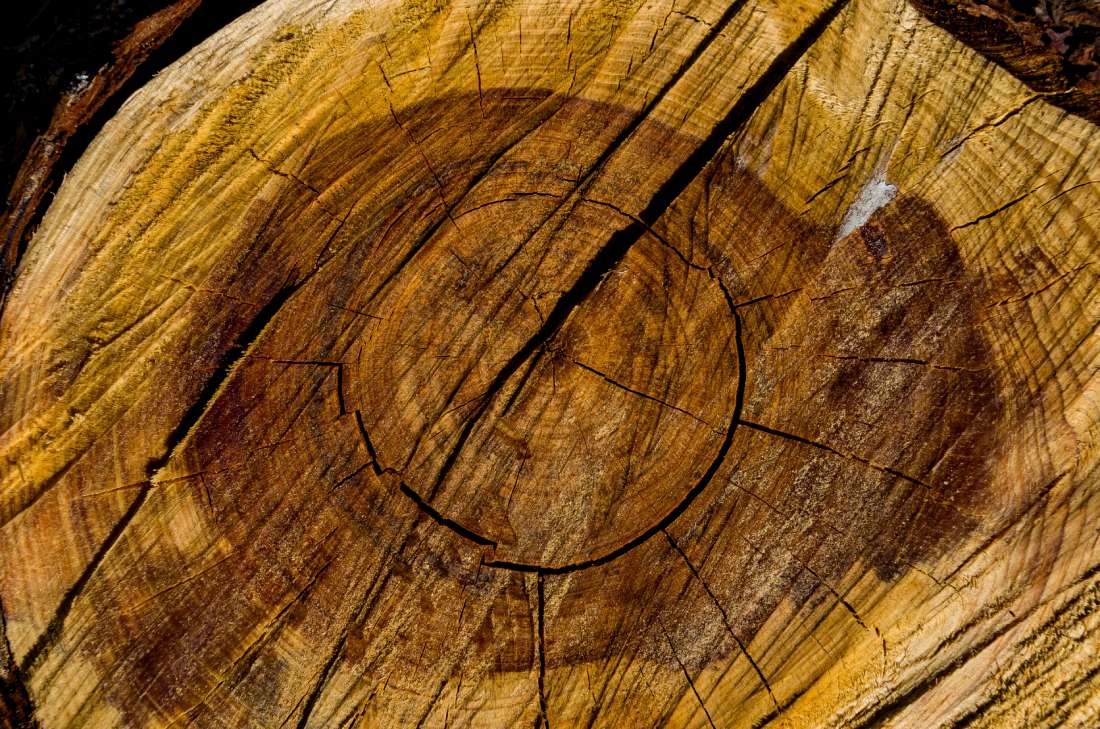
Heartwood is the mature, inner core of the tree. As a redwood tree grows, the older cells at the center stop carrying water and nutrients. Instead, they fill with natural extractives, including tannins and other organic compounds, that give heartwood its rich reddish-brown color and its remarkable resistance to rot, fungal decay, and insect damage.
According to the California Redwood Association, these naturally occurring preservatives are what make redwood heartwood one of the most durable softwoods available for outdoor construction without requiring chemical treatment. That’s a significant advantage for decking, fencing, and any application where the wood is exposed to moisture and ground contact.
The benefits of heartwood for decking include:
- Natural resistance to rot, decay, and termites without chemical preservatives
- Rich, warm color that weathers to a silver-gray patina if left untreated
- Dimensional stability that resists warping and cupping better than sapwood
- Longer lifespan with less maintenance compared to lower-grade boards
- Higher structural integrity for applications where redwood heartwood vs sapwood strength matters
The trade-off is cost. Boards graded as “All Heart” or “Construction Heart” contain little to no sapwood and command a premium price because they come from the most limited part of the tree.
What Is Sapwood?
Sapwood is the younger, outer layer of the tree that actively transports water and nutrients from the roots to the canopy. It’s lighter in color, ranging from pale yellow to creamy white, and lacks the natural extractives that give heartwood its decay resistance.
In redwood decking, sapwood is more porous, absorbs moisture more readily, and is significantly more vulnerable to rot, fungal growth, and insect damage when exposed to the elements. Boards with higher sapwood content need more frequent sealing, staining, and maintenance to hold up over time.
The drawbacks of sapwood in decking include:
- No natural resistance to rot or insects
- Absorbs moisture faster, which increases the risk of warping, splitting, and decay
- Requires chemical treatment or frequent sealing for outdoor use
- Lighter color that doesn’t match the classic redwood aesthetic most homeowners want
- Shorter effective lifespan in exposed outdoor applications
That said, sapwood isn’t useless. It’s perfectly functional for interior framing, non-structural applications, and projects where the wood won’t be exposed to persistent moisture. It also brings the price down, which is why lower-grade redwood boards that include sapwood are more affordable.
How Heartwood Content Determines Redwood Grade
The sapwood vs heartwood ratio is the primary factor in how redwood decking gets graded. Here’s how it breaks down in simple terms.
All Heart grades contain no visible sapwood. These are the premium boards cut entirely from the tree’s core and are the most durable and expensive option. They’re ideal for ground-contact applications, high-moisture environments, and decks where longevity is the top priority.
B Grade and Construction Heart boards are predominantly heartwood with some sapwood allowed on one face or along the edges. They offer a strong balance of performance and value for most residential decking projects.
Merchantable and Construction Common grades contain a higher percentage of sapwood. They’re the most affordable option but require more maintenance and are best suited for above-ground applications with good drainage and regular sealing.
When comparing redwood sapwood vs heartwood for your deck, the question isn’t which one is “better” in the abstract. It’s which grade gives you the right balance of performance, appearance, and cost for your specific project. A ground-level deck in a shaded, moisture-prone area needs more heartwood than an elevated deck with full sun and good airflow.
A Note on Heartwood Across Species
The heartwood vs sapwood distinction isn’t unique to redwood. As the USDA Forest Products Laboratory explains, virtually all tree species produce heartwood as they mature, and the durability difference between heartwood and sapwood varies by species. Cedar heartwood, for example, shares many of redwood’s natural decay-resistant properties.
Walnut heartwood vs sapwood shows a dramatic color contrast, with the rich chocolate heartwood being far more prized for furniture and millwork than the pale sapwood. Understanding this distinction helps you evaluate wood quality across any species, not just redwood.
FAQs
What is heartwood used for?
Heartwood is used in any application where natural durability and decay resistance matter. Outdoor decking, fencing, siding, garden structures, and ground-contact applications are the most common uses for redwood and cedar heartwood. In hardwood species like walnut and cherry, heartwood is prized for fine furniture, cabinetry, and millwork because of its rich color and stability.
Is heartwood a hardwood?
Not necessarily. Heartwood refers to the mature inner core of any tree, whether it’s a hardwood or softwood species. Redwood and cedar are softwoods that produce highly durable heartwood. Oak and walnut are hardwoods with their own heartwood characteristics. The term describes where the wood comes from within the tree, not the species classification.
Where can I get heartwood?
Heartwood-grade lumber is available from specialty lumber dealers, building material suppliers, and online retailers that stock premium decking and construction lumber. For redwood specifically, look for dealers who carry graded boards and can tell you the exact heartwood content of what you’re buying. Not all home improvement stores carry true heartwood grades.
Does cedar have heartwood?
Yes. Cedar produces heartwood with natural oils and extractives that resist rot, decay, and insect damage, similar to redwood. Western Red Cedar is especially known for its durable heartwood, which is widely used for decking, fencing, shingles, and siding. Like redwood, the grade and durability of cedar lumber depends heavily on the heartwood-to-sapwood ratio in each board.
Final Thoughts
The grade of your redwood decking is really a question of how much heartwood you’re paying for and how much performance you need. For decks that are close to the ground, exposed to heavy moisture, or expected to last decades without major maintenance, investing in higher heartwood content pays for itself over the life of the project. For elevated decks with good drainage and homeowners who don’t mind regular sealing, a lower grade with some sapwood can deliver solid results at a lower price point.
Either way, knowing what you’re buying and why it matters puts you in a much better position than grabbing whatever’s on the rack.
Call us today if you need real good wood for your next project!