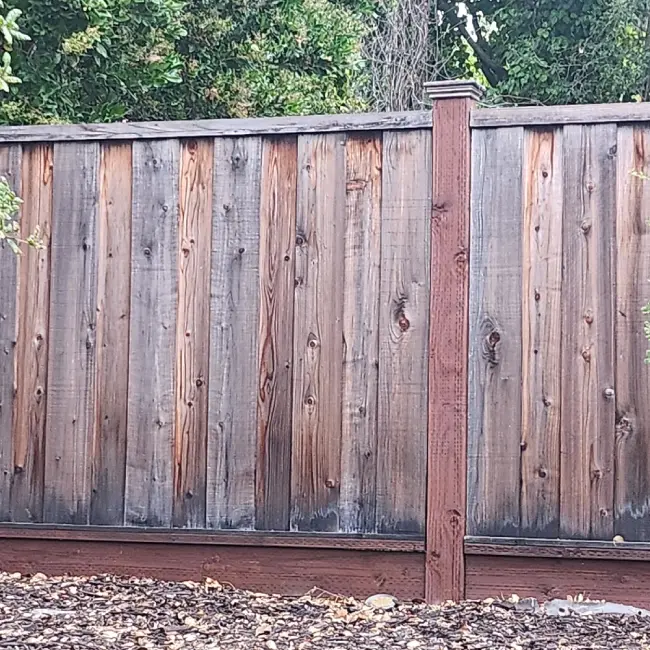
TL;DR: A redwood fence offers unmatched natural beauty and durability, whether you want it to weather into a soft silver patina or preserve its rich reddish brown color. This guide explains how redwood ages, how to maintain it, and how it compares to cedar so you can choose the best long-term approach for your fence.
-
- Learn how sunlight, moisture, and oxidation create a natural weathered look over time.
- Discover how to maintain or enhance the reddish brown tone of fresh redwood fencing.
- Compare cedar or redwood fence options and understand the differences in longevity and aesthetic appeal.
- Get tips for cleaning, sealing, staining, and caring for wood fences to ensure graceful aging or prevent weathering.
- Understand why redwood for fences is a top choice for beauty, durability, and overall value.
A redwood fence is more than a boundary. It’s a statement piece that blends strength, sustainability, and timeless charm. Whether you prefer that soft, silvery patina that develops naturally over time or you’d rather keep your fence’s warm reddish-brown glow, understanding how redwood weathers (and how to control it) helps you protect both its natural beauty and longevity.
This guide explains what happens as redwood ages, how to let it weather gracefully, and how to prevent or slow down that process if you want to preserve its original color.
Why Choose Redwood for Fences
When it comes to wood fences, two materials often top the list: cedar and redwood fence designs. Both offer durability and good looks, but redwood fencing stands out for several reasons.
The Advantages of Redwood
- Natural resistance: Redwood contains tannins and oils that make it naturally resistant to decay, insects, and moisture—no chemical treatment needed.
- Easy to work with: Its straight grain and uniform texture make it a favorite fencing material among contractors and DIYers alike.
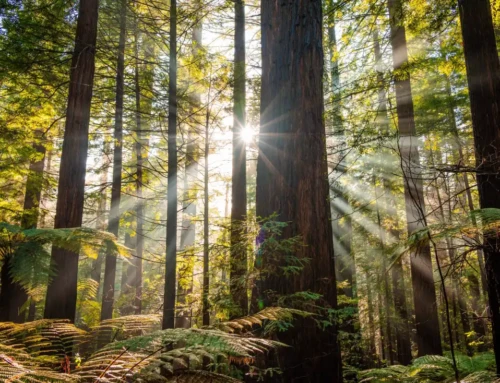
- Sustainability: Sourced from responsibly managed California forests, redwood is a renewable type of wood that’s eco-friendly and long-lasting.
- Aesthetic appeal: The rich reddish-brown hue of new redwood delivers unmatched warmth and sophistication that enhances nearly any landscape.
Cedar Fence vs Redwood: A Quick Comparison
When considering cedar versus redwood fence materials, both have their strengths, but redwood typically offers a higher-end finish and longer life expectancy.
| Feature | Cedar Fence | Redwood Fence |
| Color | Light tan to pinkish red | Deep reddish brown |
| Durability | Good | Excellent |
| Insect Resistance | Moderate | High |
| Cost | Slightly lower | Higher, but longer lifespan |
| Aesthetic Appeal | Rustic charm | Warm, elegant natural beauty |
While cedar is a worthy contender, redwood fences deliver a luxurious finish that weathers beautifully and lasts for decades. Over time, even as its color changes, its strength and character endure.
What Happens When Redwood Weathers
Freshly installed redwood fencing glows with rich hues ranging from honey to deep mahogany. But with exposure to sunlight, rain, and air, the surface gradually transforms.
The Natural Weathering Process
- UV Exposure: Sunlight breaks down the surface fibers, slowly fading the reddish-brown pigments.
- Moisture: Rain and humidity raise the wood grain and cause subtle texture changes.
- Oxidation: The combination of oxygen and UV light turns the outer layer of wood into a silvery-gray patina.
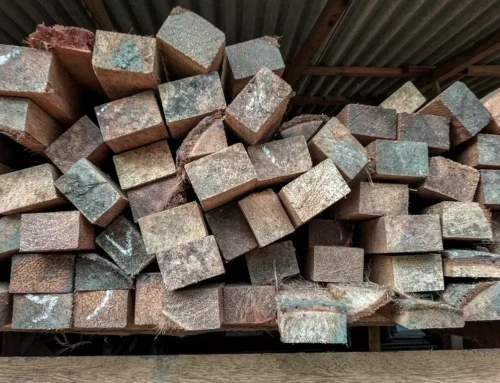
This process can start within a few months, depending on your climate and sun exposure. In coastal California, where sun and fog alternate, weathering happens more quickly than in shaded inland areas.
How to Let Your Redwood Fence Weather Gracefully
If you love the rustic, natural look of aged wood fences, you can embrace the weathering process. Proper care ensures your fence develops that soft, even patina instead of blotchy discoloration or damage.
1. Let It Breathe
Avoid applying heavy sealers or paint if your goal is a natural finish. Allowing air and moisture to move through the wood helps it age evenly.
2. Choose the Right Finish
A clear water-repellent with UV inhibitors allows gradual fading while protecting against rot. This helps your redwood fence weather to a silvery tone without cracking or splitting.
3. Regular Cleaning
Wash your fence once a year using mild soap and a soft brush to remove dirt and mildew. This keeps the surface uniform as it fades.
4. Monitor Moisture
Ensure that sprinklers and landscaping don’t constantly soak the boards. Too much moisture encourages uneven graying or moss growth.
5. Sand Lightly (Optional)
If the surface becomes rough over time, light sanding can refresh the texture without removing the natural weathered charm.
Letting your redwood fencing age gracefully means leaning into its evolution—turning it into a living element of your landscape that tells a story with every passing season.
How to Prevent Redwood from Weathering
Prefer to keep that fresh, reddish brown tone? You can slow or prevent the aging process with a few simple maintenance steps.
1. Seal Immediately After Installation
Apply a penetrating oil-based sealer designed for redwood. This helps lock in color while allowing the wood to breathe. Avoid thick film coatings like varnish—they tend to peel and trap moisture.
2. Use a UV-Blocking Stain
Choose a semi-transparent stain with UV protection. It enhances the natural tones of redwood for fences while shielding it from fading sunlight.
3. Reapply Every 2–3 Years
Even the best finishes wear down over time. Refresh your seal or stain every few years to maintain a consistent color and protect against drying and cracking.
4. Maintain Proper Drainage
Standing water is the enemy of any fencing material. Keep soil and mulch from piling against the fence base, and make sure drainage allows the boards to dry completely after rain.
5. Clean and Inspect Regularly
Mold and mildew can dull your fence’s appearance. Routine cleaning and inspection help you spot problem areas early, extending the life of your finish.
Blending Beauty and Practicality
Some homeowners prefer a hybrid approach—allowing subtle aging while maintaining a hint of redwood’s original color. This method combines light protection with minimal upkeep.
For example, applying a clear penetrating oil every few years keeps your redwood fencing nourished without fully halting its transformation. The result: a fence that balances natural beauty with weathered character, complementing both modern and rustic home designs.
Pro Tips for Long-Lasting Redwood Fencing
- Use heartwood when possible: It’s denser and more resistant to decay than sapwood.
- Opt for quality fasteners: Stainless steel or coated screws prevent rust stains.
- Choose vertical boards for better runoff: They shed water faster than horizontal planks.
- Avoid ground contact: Set your lowest boards slightly above soil level to prevent rot.
- Pressure wash with care: Too much pressure can damage the surface fibers—keep it gentle.
By following these steps, your redwood fence can last 25 years or more, maintaining both structural integrity and timeless appeal.
Cedar Versus Redwood Fence: Which Ages Better?
The cedar fence vs redwood debate often comes down to longevity and appearance. While both weather to a similar silvery tone, redwood tends to age more evenly thanks to its tight grain and higher natural oil content.
Cedar fences, on the other hand, can develop blotchy graying or black streaks if not maintained. Redwood’s smoother, more uniform aging process gives it the edge for homeowners who value both performance and aesthetic appeal.
So, if you want a fence that matures like fine wine—graceful, even, and beautiful—redwood fencing is the clear winner.
The Bottom Line: A Fence That Ages as Beautifully as It Lasts
Whether you want to showcase the bold reddish brown tones of new lumber or let time create a silvery, weathered masterpiece, a redwood fence offers flexibility and enduring quality that few materials can match.
With proper care, redwood fences stand strong against the elements while enhancing your property’s natural beauty year after year. It’s no wonder so many California homeowners choose redwood for fences—a material that delivers both timeless elegance and practical durability.