Learn the Basics of Redwood Lumber: Redwood 101
We understand that most homeowners and DIY enthusiasts aren’t lumber experts. That’s why we’ve created a brief Lumber 101 overview to help you make informed decisions about your lumber purchases.
We’ve noticed a concerning trend of customers being disappointed with the quality of lumber used by their contractors. To address this, we’ve developed this educational resource to empower you, our potential customers. Our goal is to highlight the differences in lumber quality, especially compared to what’s commonly sold. By understanding these distinctions, you can make the best choice for your project.
Remember, a small increase in cost can significantly impact the appearance and longevity of your project. We’ve outlined the five most common concerns we’ve encountered to help you navigate these decisions:
- Redwood Heartwood vs Redwood Sapwood (and other redwood grade concerns)
- Finger Jointed Siding vs Solid Redwood or Cedar Siding
- Fence Board Quality Differences
- Composite vs Real Wood
- Flooring: Reclaimed vs New
Redwood Heartwood vs. Sapwood

It’s very important to understand the difference between redwood sapwood and heartwood. Although both come from the same tree, their natural durability can be very different, particularly in outdoor applications.
Heartwood redwood has earned a strong reputation among builders for its natural resistance to decay and insects. Sapwood, recognizable by its lighter, cream-colored appearance, does not offer the same natural resistance. When exposed to moisture, particularly near the ground, sapwood can deteriorate much faster than heartwood.
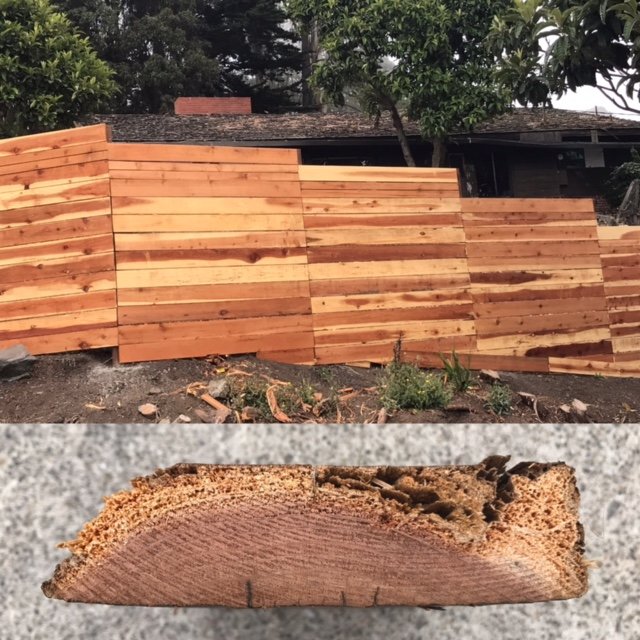
Why Choose All-Heart Redwood?
When purchasing redwood lumber, make sure you understand whether you’re buying an all-heart redwood product. Simply requesting a redwood fence, deck, or siding doesn’t necessarily guarantee that the material is all heartwood.
At The Lumber Baron, we specialize in all-heart redwood lumber and offer five different redwood grades to suit different projects, appearances, and budgets.
Clear Redwood vs. Clear All-Heart Redwood
Another important distinction involves clear redwood lumber. There’s a significant difference between clear redwood and clear all-heart redwood.
Clear redwood generally refers to lumber without knots, but it may contain both heartwood and sapwood. Clear all-heart redwood is knot-free lumber consisting entirely of heartwood.
This difference matters for both appearance and performance. We previously supplied clear all-heart redwood for a large Bay Area deck replacement after the homeowners became dissatisfied with their two-year-old clear redwood deck, particularly the appearance and shrinkage of the sapwood.
Understanding these differences before purchasing can help you avoid costly mistakes.
Finger-Jointed vs. Solid Redwood and Cedar Siding

Be cautious when considering pre-primed, finger-jointed siding products. While some engineered siding products perform well when properly manufactured and installed, lower-quality products or poorly protected joints can develop problems when exposed to moisture.
For customers seeking traditional natural wood siding, we recommend considering solid redwood or cedar. Quality heartwood lumber products offer natural beauty, durability, and a proven history of performance when properly installed and maintained.
Although premium solid wood siding may cost more initially, choosing quality materials can help reduce problems and replacement costs over time.
Buy quality lumber once, and enjoy it for years to come.
Redwood Fence Board Qualities

This?

Compare Redwood Fence Board Quality
When comparing redwood fence boards, even a difference of 1/2 inch in width or 1/8 inch in thickness can affect the appearance, coverage, and overall value of your fence.
Many lower-priced fence boards are thinner or narrower and may contain sapwood. Our all-heart redwood fence boards are available in substantial dimensions, including boards measuring 3/4 inch or more in thickness and either 5 3/4 or 7 3/4 inches in width.
Board thickness, grade, moisture content, and installation all influence how a fence performs over time. Thinner boards can be more susceptible to movement and damage, particularly when improperly installed.
It’s also important to compare actual board dimensions rather than nominal sizes. A narrower board may require more pieces to cover the same fence, reducing the apparent savings.
Composite vs. Real Wood
Composite decking and natural wood each have advantages and disadvantages. At The Lumber Baron, we prefer the appearance, character, and feel of real wood, especially for customers seeking premium redwood or reclaimed lumber.
Composite decking is often promoted as low-maintenance, but that doesn’t mean maintenance-free. Depending on the product, installation, and exposure, composite boards can experience staining, scratching, fading, mold growth on the surface, or heat buildup.
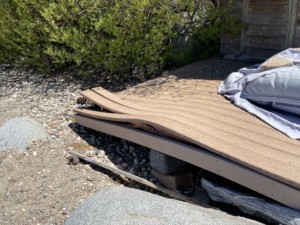
Composite Decking Wear
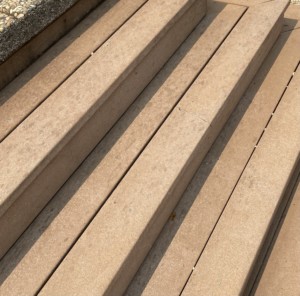
Composite Decking Staining
How Hot Does Composite Decking Get?
Deck surface temperatures are another consideration. Some composite decking products, particularly darker colors in direct sunlight, can become considerably hotter than natural wood. Actual temperatures depend on the material, color, weather, and sun exposure.
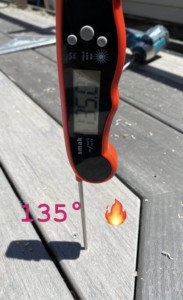
Composite Decking Temperature Example
For many homeowners, the biggest difference is appearance. Natural wood offers unique grain patterns, warmth, and character that manufactured products attempt to replicate.
Environmental considerations also vary. Composite decking often contains recycled plastics and wood fibers, while responsibly sourced natural wood is renewable and may be reclaimed or reused. The overall environmental impact depends on sourcing, manufacturing, maintenance, and end-of-life disposal.
We encourage customers to compare the long-term performance, maintenance, appearance, and total cost of both materials before making a decision.
For those who appreciate authentic wood, The Lumber Baron offers a wide selection of new and reclaimed lumber for distinctive outdoor projects.
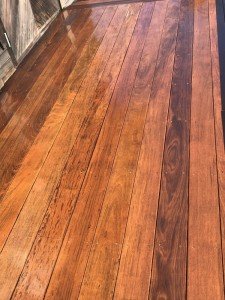
The Natural Beauty of Real Wood
Flooring: Reclaimed vs. New
Our solid wood reclaimed flooring products offer several advantages for homeowners, builders, and restoration projects.
Solid Wood That Can Be Refinished
Many of our reclaimed flooring products are solid wood measuring approximately 3/4 inch thick or greater. Depending on the flooring’s condition and remaining thickness, solid wood can often be sanded and refinished multiple times.
Engineered wood flooring varies considerably. Some products have thick wear layers that can be refinished, while others have thin veneers that allow little or no sanding. Laminate flooring generally cannot be sanded and refinished like solid wood.
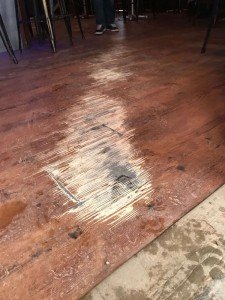
Damaged Flooring May Require Replacement
Longer Lengths and Traditional Appearance
Another advantage of reclaimed flooring is the availability of longer board lengths. Longer boards can create a cleaner, more traditional appearance with fewer end joints.
Our reclaimed flooring inventory often includes substantial lengths, although actual usable lengths vary by product and availability.
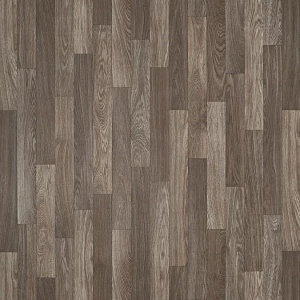
Shorter Flooring Lengths Create More End Joints
Reclaimed Douglas Fir Flooring for Historic Bay Area Homes
Preserving the character of the Bay Area’s older homes is important to us. That’s why we make an effort to stock traditional 1×4 reclaimed Douglas fir flooring commonly found in historic homes throughout the region.
We have also transformed reclaimed structural beams into beautiful clear vertical grain Douglas fir flooring. In one project, approximately 5,000 board feet of reclaimed 4×8 beams were milled into flooring selected for its tight growth rings and attractive vertical grain.
With a thickness of approximately 3/4 inch and a 3 1/4-inch exposed face, this flooring is particularly well suited for matching many older Bay Area floors.
Reclaimed flooring can also reduce demand for newly harvested wood by giving quality existing lumber a second life.
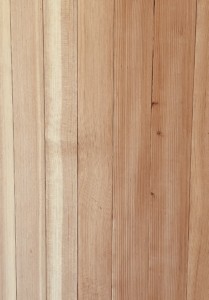
Clear Vertical Grain Reclaimed Douglas Fir
Frequently Asked Questions About Redwood Lumber
How Do I Remove Black Marks From Redwood Lumber?
Black marks can develop on redwood when its natural tannins react with iron or other metals in the presence of moisture. These stains are especially common during wet weather or after contact with certain tools, fasteners, or metal banding.
Oxalic acid wood cleaners can help remove iron-tannin stains. Follow the product manufacturer’s mixing instructions, safety precautions, and recommended application time. Test a small area first, use appropriate protective equipment, and rinse as directed.
We carry a wood-cleaning product at our lumber yard. Contact us for current pricing and availability.

Before Cleaning

After Cleaning
Where Can I Buy Quality Redwood, Western Red Cedar, or Reclaimed Lumber in the Bay Area?
The Lumber Baron specializes in high-quality redwood, Western Red Cedar, and reclaimed lumber for homeowners, contractors, architects, and builders throughout the Bay Area and beyond.
We offer five grades of all-heart redwood, with options ranging from practical fencing and decking materials to premium clear heartwood for demanding architectural projects.
Our inventory includes a wide selection of redwood lumber in surfaced and rough dimensions, along with beams, siding, decking, fencing, and specialty materials.
We also offer custom milling for customers seeking unusual dimensions or profiles. Explore our lumber products or contact us to discuss your project.
Our reclaimed inventory includes redwood, Douglas fir, and other specialty wood products. We also carry selected certified lumber products, with availability and certification varying by species and supplier.
Do You Deliver Lumber if I Don’t Have a Truck?
Yes. The Lumber Baron offers lumber delivery throughout the San Francisco Bay Area and to selected destinations beyond. Contact us with your delivery address, material list, and preferred timing for availability and pricing.
Does Redwood Need to Be Sealed?
Redwood heartwood has natural resistance to decay and insects, but applying an appropriate exterior wood finish can help maintain its appearance and reduce moisture-related movement.
Unfinished redwood gradually changes color when exposed to sunlight and weather. Depending on the exposure, it may develop silver-gray, brown, or darker tones over time.
A suitable penetrating exterior finish can provide water repellency and, depending on its formulation, UV protection and resistance to surface mildew. No finish permanently preserves the appearance of freshly installed wood, and periodic maintenance may be necessary.
When Should I Apply Sealer to Redwood Lumber?
The appropriate time depends on the wood’s moisture content, the type of finish, and the weather.
Kiln-dried redwood may be ready for finishing sooner than green or unseasoned lumber. Freshly milled or unseasoned redwood often needs additional drying time before a penetrating finish can be applied successfully.
Rather than relying on a fixed number of weeks, follow the finish manufacturer’s moisture-content requirements. A wood moisture meter can help determine whether the lumber is ready.
How Should I Apply Redwood Sealer?
Start with clean, dry wood and choose a finish intended for exterior redwood and the specific application, such as decking, siding, or fencing.
Follow the manufacturer’s directions for surface preparation, application method, temperature, drying time, and recoating. Avoid applying excess finish, which can leave a sticky or uneven surface.
For additional advice about redwood grades, reclaimed flooring, siding, decking, or finishing, contact The Lumber Baron. We’re happy to help you choose the right lumber for your project.