
TL;DR:
When it comes to natural wood siding, few materials are as respected—or as debated—as redwood and cedar. Both are popular choices for residential and commercial projects, prized for their beauty, durability, and performance in outdoor applications. But choosing between redwood vs cedar isn’t always straightforward.
This guide breaks down the key differences between these two premium siding options so you can make an informed decision based on durability, appearance, cost, and project needs—whether you’re a builder specifying materials or a homeowner planning an exterior upgrade.
Why Redwood and Cedar Are Top Siding Materials
Wood siding offers warmth and character that synthetic materials struggle to replicate. Among all options, redwood and cedar stand out because they are naturally resistant to decay, visually appealing, and well-suited to a wide range of climates.
When comparing cedar vs redwood, you’re really choosing between two high-performing types of wood with slightly different strengths. Understanding those differences is the key to selecting the right siding for your project.
Redwood vs Cedar: Durability and Longevity
Durability is often the first consideration when choosing siding. Both redwood and cedar perform exceptionally well outdoors, but they achieve durability in slightly different ways.
Redwood
Redwood contains natural tannins that provide excellent insect resistance and resistance to rot. The heartwood—especially clear heart redwood—is particularly long-lasting and can perform well for decades when properly installed and maintained.
Redwood tends to be denser than cedar, which can translate to increased strength and resistance to physical damage. This makes it a strong option for homes exposed to high winds or fluctuating weather conditions.
Cedar
Western red cedar is known for its natural oils, which repel insects and resist moisture. While slightly softer than redwood, cedar still offers impressive longevity and has been used in exterior applications for centuries.
In the redwood vs cedar durability debate, both materials are excellent. Redwood may have a slight edge in long-term structural resilience, while cedar excels in stability and moisture performance.
Appearance and Grain Pattern
Aesthetics play a major role in siding selection, and this is where personal preference often takes center stage.
Redwood Appearance
Redwood is known for its rich, warm tones—ranging from light amber to deep reddish-brown. Over time, it can weather to a soft silver-gray if left untreated. Its grain pattern is typically straight with subtle variation, creating a refined, elegant look.
Redwood siding often feels more formal or high-end, making it popular for modern homes, custom builds, and architectural projects where visual impact matters.
Cedar Appearance
Cedar’s color palette includes pale blondes, warm browns, and soft reds. The grain pattern in cedar is often more pronounced and rustic, which appeals to homeowners looking for a natural or traditional aesthetic.
When evaluating cedar vs redwood, cedar tends to feel more casual and textured, while redwood offers a smoother, more uniform appearance.
Redwood vs Cedar Cost: What to Expect
Cost is a major factor for most projects, and understanding pricing differences helps avoid surprises during budgeting.
Material Pricing
When comparing redwood vs cedar cost, redwood typically comes in at a higher price point. This is due to limited supply, slower-growing trees, and high demand—especially in California and the western U.S.
- Redwood vs cedar price: Redwood siding generally costs more per board foot than cedar.
- Cedar vs redwood cost: Cedar is often more affordable upfront, particularly western red cedar.
Exact numbers fluctuate based on grade, profile, and market conditions, but in general:
- Cost of redwood vs cedar: Redwood can cost 15–40% more than cedar depending on quality and availability.
Long-Term Value
While cedar may be less expensive initially, redwood’s density and durability can reduce long-term maintenance and replacement costs. In some cases, redwood’s longer service life offsets its higher upfront investment.
Insect Resistance and Moisture Performance
Both woods naturally resist pests and moisture, which is why they outperform many other siding materials.
- Redwood’s tannins provide strong insect resistance, particularly against termites.
- Western red cedar’s oils deter insects and help the wood dry quickly after rain.
In humid or coastal environments, cedar’s ability to shed moisture efficiently can be an advantage. In drier or mixed climates, redwood’s strength and decay resistance often shine.
When choosing redwood vs cedar, consider the specific environmental conditions your siding will face.
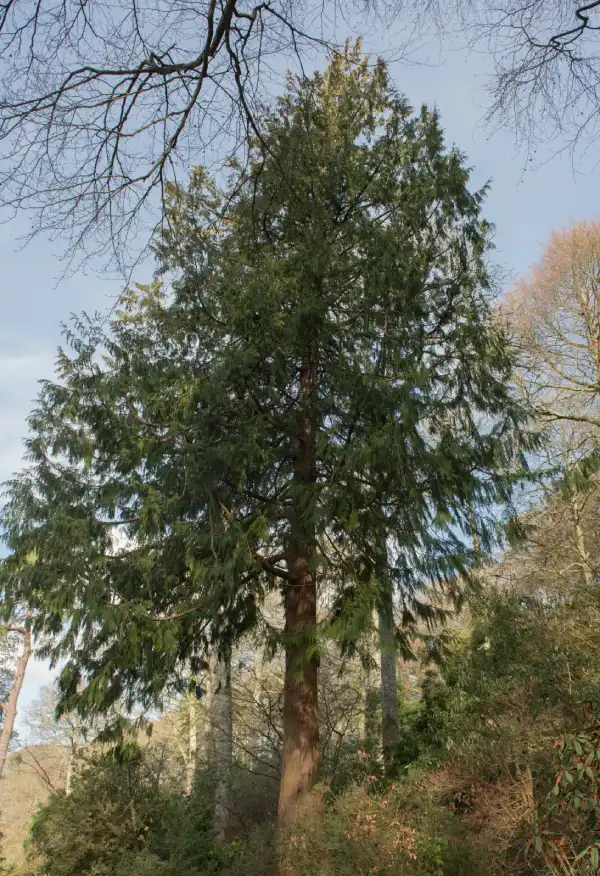
Environmental Impact and Sustainability
Sustainability is increasingly important for builders and homeowners alike. Both materials score well, but there are differences worth noting.
Redwood
Redwood is harvested primarily from responsibly managed forests in California. Strict forestry regulations help protect ecosystems, but redwood grows slowly, making it a more limited resource.
Cedar
Western red cedar grows more quickly and is widely available across the Pacific Northwest. This faster growth cycle can reduce environmental strain when forests are responsibly managed.
In terms of environmental impact, both woods are renewable and biodegradable. Cedar may have a slight advantage due to broader availability, while redwood supports local California forestry when sourced responsibly.
Installation and Workability
From a contractor’s perspective, ease of installation matters.
- Redwood is relatively stable, resists warping, and holds fasteners well.
- Cedar is lighter and softer, making it easier to cut and handle on-site.
Both materials perform well as siding, but cedar’s lighter weight can reduce labor fatigue and installation time. Redwood, however, often feels more substantial and durable once installed.
Best Uses for Each Type of Wood
Choosing between cedar vs redwood often comes down to how and where the siding will be used.
Redwood Is Ideal For:
- High-end custom homes
- Modern or architectural designs
- Projects prioritizing longevity and premium appearance
- Builders who want strong, stable siding with minimal movement
Cedar Is Ideal For:
- Traditional or rustic-style homes
- Budget-conscious projects
- Coastal or damp climates
- Homeowners who prefer pronounced grain and texture
Both remain popular choices, but each shines in different applications.
Redwood vs Cedar: Which Should You Choose?
There’s no universal winner in the redwood vs cedar debate. The right choice depends on your priorities:
- Choose redwood if you value durability, rich color, and long-term performance.
- Choose cedar if you want affordability, rustic character, and excellent moisture handling.
Ultimately, personal preference, budget, climate, and design goals should guide your decision. Both are exceptional siding materials when sourced and installed correctly.
The Bottom Line
Comparing cedar vs redwood isn’t about finding a “better” wood—it’s about finding the right type of wood for your specific project. By weighing factors like appearance, durability, redwood vs cedar price, and environmental considerations, you can confidently select siding that will protect and enhance your home for decades.
When chosen thoughtfully, both redwood and cedar deliver timeless beauty, proven performance, and lasting value—making either an investment you can feel good about.
Call us today if you need real good wood for your next project!