TL;DR: Redwood fencing and cedar are both premium wood choices that offer natural beauty, durability, and resistance to decay, but they differ in upfront cost, longevity, and long-term value. This guide compares the two materials to help you choose the best option for your fencing project based on your budget, maintenance preferences, and performance expectations.
- Learn the key differences between redwood fencing and western red cedar.
- Compare upfront costs versus long-term durability and overall value.
- Discover how grain pattern, appearance, and maintenance requirements differ.
- Explore how climate and wood quality affect fence performance and lifespan.
- Find out which material is the better fit for your home, property, and investment goals.
A new fence is more than a property boundary. It adds privacy, improves curb appeal, and protects your outdoor living space for years to come. Choosing the right material is one of the most important decisions in the process because it directly affects appearance, maintenance, and long-term value.
Many homeowners compare cedar fence vs redwood options because both species are naturally beautiful and known for their resistance to decay. Each offers distinct advantages, but the best investment depends on your priorities, budget, and climate.
At The Lumber Baron, we’ve helped homeowners, contractors, and designers choose premium wood products for decades. Here’s what you should know before deciding between a cedar or redwood fence.
Why Cedar and Redwood Are Popular Fence Materials
Among the many types of wood available for outdoor projects, cedar and redwood consistently rank near the top. Both contain natural oils and tannins that help resist insects, moisture, and decay without relying on heavy chemical treatments.
Compared to pressure-treated lumber, cedar and redwood deliver a richer appearance, greater dimensional stability, and a longer service life when properly maintained.
That combination of beauty and durability makes them excellent choices for residential fencing.
Upfront Cost: Understanding the Initial Investment
For many homeowners, price is the first comparison.
In most markets, In most markets, cedar is the more affordable option upfront. A fence built from western red cedar generally costs less than one built from premium redwood, making cedar attractive for larger properties or projects with tighter budgets.
A redwood fence, especially one built from higher grades containing more heartwood, typically requires a larger initial investment. Redwood grows in limited regions, making it less abundant and more exclusive than cedar.
While redwood costs more initially, purchase price tells only part of the story. Long-term performance often changes the overall value equation.
Longevity: How Long Will Your Fence Last?
One reason homeowners choose redwood fencing is its exceptional lifespan.
Redwood contains naturally occurring compounds that help protect the wood from rot, insects, and moisture damage. With quality construction and routine maintenance, a redwood fence can remain attractive for decades.
Western red cedar also performs extremely well outdoors. Like redwood, it naturally resists decay and insects. Cedar fences routinely provide many years of reliable service when properly installed and maintained.
The primary difference comes down to premium heartwood content and overall durability. High-quality redwood for fence applications often maintains its structural integrity longer, particularly in challenging environments with fluctuating weather conditions.
Appearance: Natural Beauty That Ages Gracefully
One of the biggest reasons homeowners choose natural wood is its visual appeal.
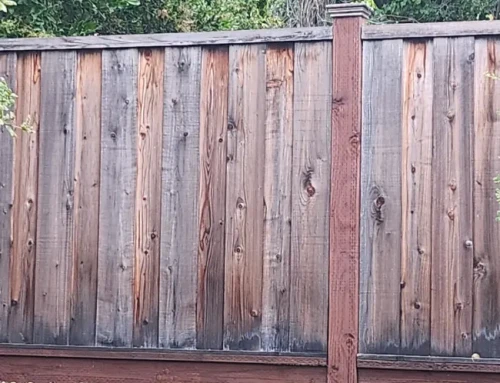
A fresh redwood fence showcases rich reddish-brown tones that create an elegant, high-end appearance. The wood’s distinctive grain pattern gives every board unique character while maintaining a refined, consistent look.
Western red cedar offers warm amber, honey, and light reddish hues with its own attractive grain pattern. Cedar often provides a more rustic appearance while still delivering a premium finish.
As both woods age, exposure to sunlight gradually turns untreated surfaces into a soft silver-gray patina. Homeowners who prefer the original color can preserve it with regular staining or sealing.
Strength and Stability
Outdoor fences constantly expand and contract with changing temperatures and moisture levels.
When comparing cedar versus redwood fence materials, dimensional stability becomes an important consideration.
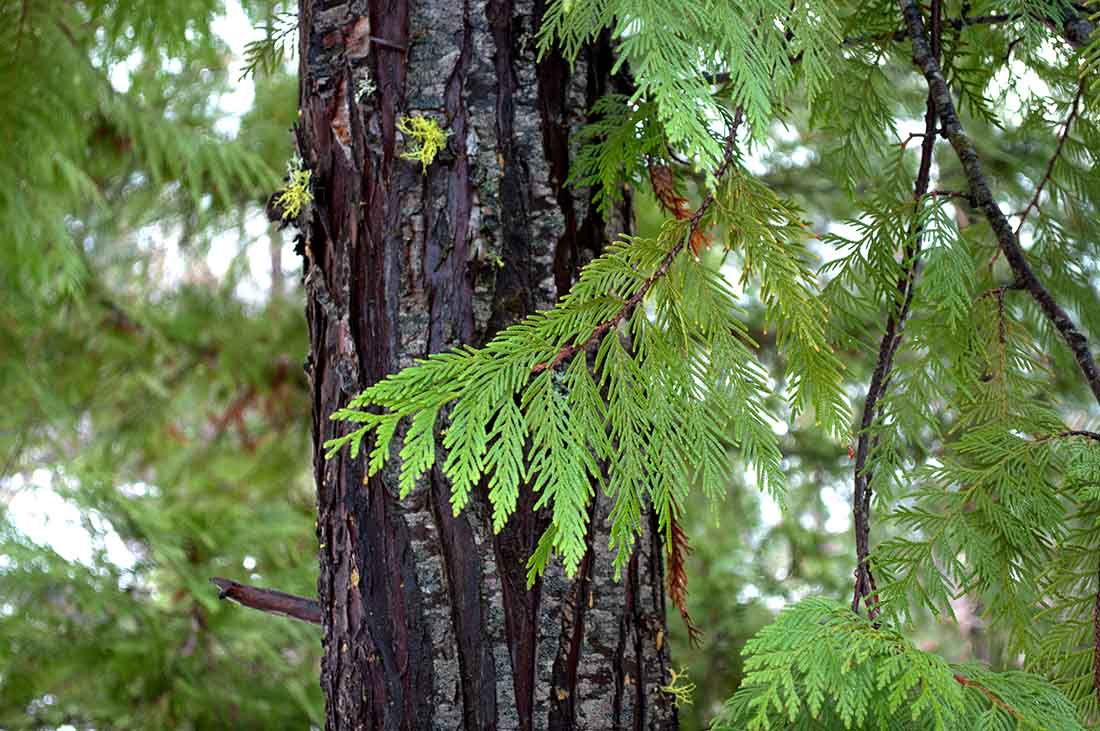
Redwood generally experiences less shrinking and warping than many other fencing materials. Its straight grain and natural density help boards remain flatter over time, reducing the likelihood of twisting or checking.
Cedar also performs well in changing weather, although it is somewhat softer than redwood. That softer composition can make cedar easier to work with during installation while still offering excellent long-term performance.
Both materials significantly outperform many lower-cost softwoods commonly used for fencing.
Maintenance Requirements
Every wood fence benefits from routine maintenance.
Cleaning away dirt, mildew, and debris helps extend the life of both cedar and redwood. Applying a high-quality stain or sealer every few years further protects the wood from moisture and UV exposure.
Fortunately, neither species demands excessive maintenance compared to many other outdoor materials.
Many homeowners appreciate that redwood fencing retains its appearance exceptionally well between maintenance cycles. Cedar also responds well to regular care, although lighter-colored boards may show weathering sooner if left untreated.
Simple maintenance goes a long way toward maximizing the lifespan of either fence.
Sustainability Matters
Many homeowners also consider environmental impact when selecting building materials.
Both cedar and redwood come from renewable forest resources when responsibly harvested. Choosing lumber from reputable suppliers helps support sustainable forestry practices while delivering premium-quality products.
Reclaimed lumber is another outstanding option for customers looking to reduce environmental impact while adding distinctive character to outdoor projects.
At The Lumber Baron, we value responsibly sourced wood products that combine lasting performance with natural beauty.
Which Fence Offers Better Long-Term Value?
Looking only at the purchase price may favor cedar.
Looking at total ownership costs often tells a different story.
Although redwood fencing requires a higher upfront investment, its extended lifespan, excellent stability, and premium appearance can reduce replacement costs over time. Many homeowners view the added durability as an investment that pays dividends for decades.
On the other hand, western red cedar offers impressive longevity at a lower entry cost. For homeowners balancing quality with affordability, cedar remains an outstanding fencing material.
The right answer depends on your project’s priorities:
- Choose cedar if minimizing upfront costs is your primary goal while still enjoying a naturally durable wood.
- Choose redwood if long-term beauty, exceptional durability, and premium aesthetics justify the higher initial investment.
Climate Can Influence Your Decision
Local weather conditions also play an important role.
Both redwood and cedar perform well in a variety of climates, but redwood’s natural resistance to moisture makes it particularly attractive for regions with wet winters or fluctuating humidity.
Cedar performs admirably across many environments as well, especially when properly sealed and maintained.
Working with experienced lumber professionals helps ensure you select the right grade and species for your specific location and project goals.
Work With Experts Who Know Premium Wood
A fence represents a long-term investment in your home. Choosing high-quality lumber from knowledgeable professionals helps maximize that investment from day one.
At The Lumber Baron, we’ve spent decades helping customers compare cedar fence vs redwood options and select the ideal materials for their projects. Our extensive inventory includes premium redwood for fence construction, western red cedar, reclaimed lumber, and custom-milled products that deliver lasting performance.
If you’re still deciding between a cedar or redwood fence, our experienced team can explain the differences in grades, durability, appearance, and long-term value. We’ll help you choose the right lumber so your new fence delivers decades of beauty, strength, and reliability.
When comparing cedar versus redwood fence materials, investing in premium wood today helps create an outdoor space you’ll appreciate for years to come.
Call us today if you need real good wood for your next project!